The winter solstice is an occasion you can notice without hosting anything. You can step outside, look at the light and return to the evening you already had planned.
In 2026, the Northern Hemisphere's winter solstice falls on 21 December, according to the Royal Observatory Greenwich. It marks the shortest daylight period of the year in that hemisphere. The season is different south of the equator; a December solstice reflection does not need to pretend that everyone's window looks the same.
If you would like to mark the day, begin with where you are and how much time you have. An ordinary evening leaves room for a few deliberate choices.
Find a little daylight
If it is practical, take part of your break outside. You could walk to the end of the street, sit near a window or leave work early enough to see the sky before it darkens.
Notice something you might otherwise miss: the colour above the buildings, bare branches against a wall, how early the lamps come on. A photograph can give you a record to compare with another day. You do not have to post it.
Check the weather and your own circumstances before making a plan. The point is to notice the season, not to make an outing difficult for the sake of it.
Choose one small change at home
When you come back inside, change one part of the evening. Set the table, move a chair beside the window, or make a meal you have been meaning to cook.
You might like a candle, used somewhere safe and put out before you leave the room. A lamp, a string of lights or the kitchen light left on over dinner can serve the same practical purpose: you have decided how this part of the evening will look.
Keep the preparation modest. An occasion can be marked without becoming another set of things to buy, finish or photograph before the date arrives.
Give a question some room
If you want to write, ask what you would like to carry through the next few weeks. A routine that makes mornings easier? More time with a particular person? A little less of something that has filled the calendar?
Write a concrete answer. “One free evening each week” gives you more to work with than a broad intention to live differently. You can decide later how long you want to keep it.
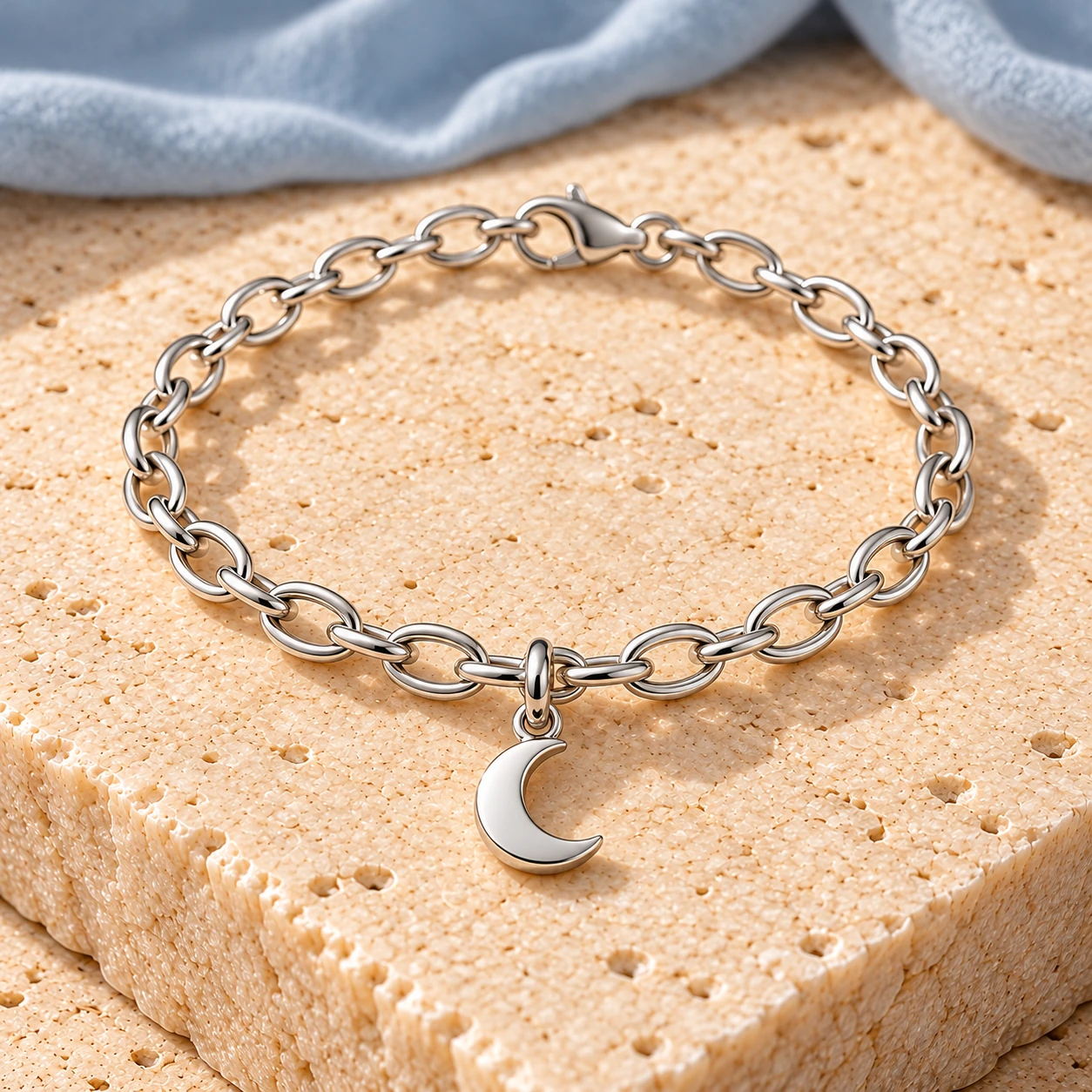
A seasonal object can be part of the occasion if you enjoy having one. A moon charm may refer to the evening for you, while remaining a chosen symbol rather than a picture of the actual Moon on that date.
Leave the next morning ordinary
Daylight does not return all at once. You may still leave home in the dark for quite a while. That is a useful scale to keep in mind when making a seasonal promise to yourself.
Finish with something you can carry into an ordinary morning: put the walking shoes where you can find them, send the message about a free evening, or leave your note beside the kettle. The date is a reason to notice. The next day can begin as it usually does.
Sources & background
Background for the gemstone facts, calendar dates or traditional symbolism discussed in this story.