Some friendships now happen in fragments: a voice note on the way to work, a photograph of a terrible haircut, a message answered while the other person is asleep. There may be months between visits. The conversation can still pick up in the middle of something.
Choosing a gift for that friendship means thinking about the life on the other side of the distance. A present does not have to prove that nothing has changed. It can make room for who you both are now.
Start with something specific you share
Think of a place, a habit or a detail from the last time you were together. It might be the café where you sat for too long, a phrase from the walk home or the colour of a front door. Something this ordinary can be more recognisable than a ready-made message about best friends.
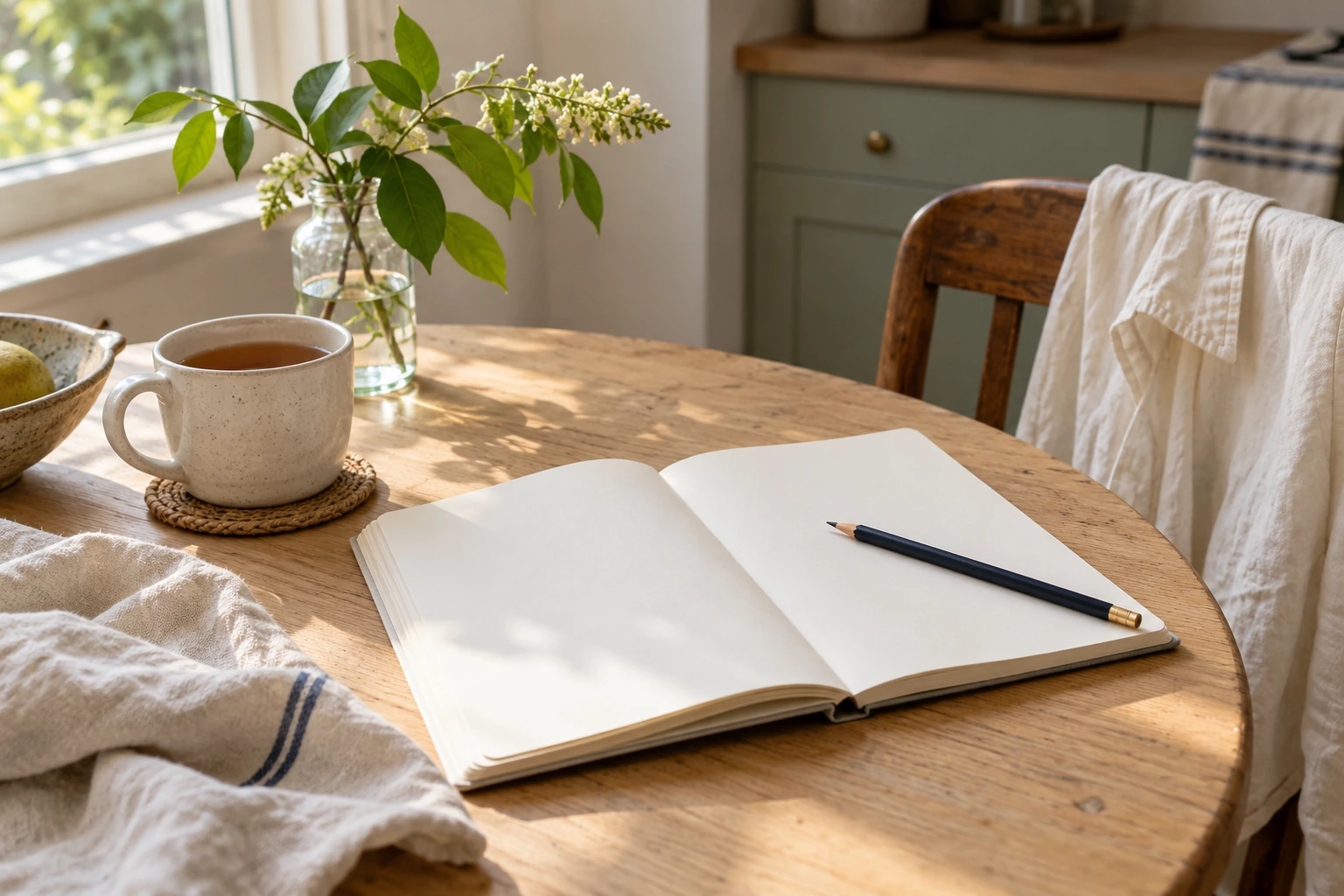
Write down why you remember it. That sentence may turn out to be the centre of the gift, whether the thing you send is a photograph, a book or a piece of jewellery.
If your lives have changed a great deal, there is room to say so. “I miss knowing what your weekdays look like” can open a more useful conversation than insisting that everything is exactly as it used to be.
You can keep one detail in common
Matching pieces can be enjoyable when both people like the idea. They can also be a little restrictive when your tastes are different.
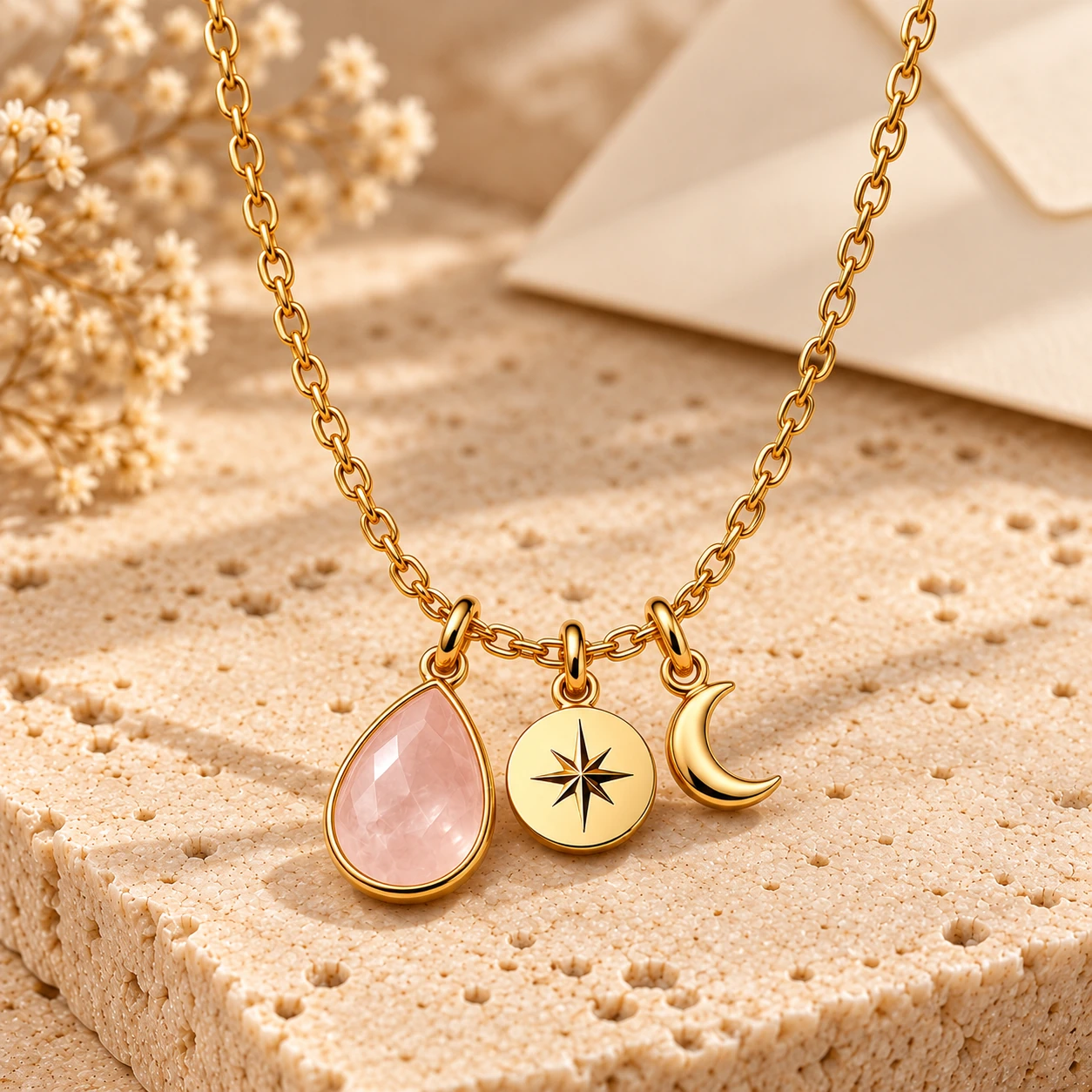
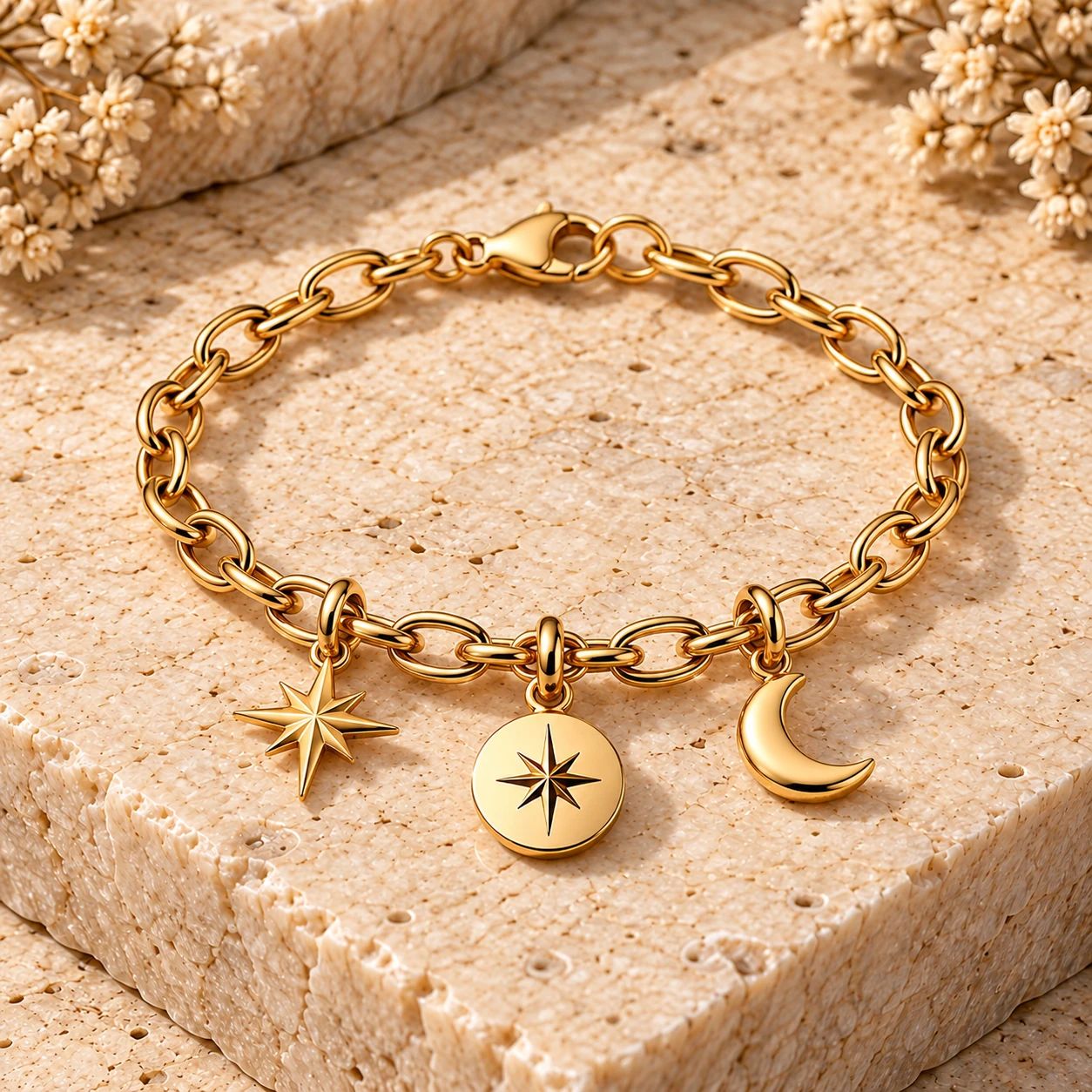
One shared detail gives you another option. You could both keep a star charm but choose different stones. One person might prefer a necklace, the other a plain chain bracelet. The reference belongs to both of you; the design can fit each person separately.
You can do the same with gifts that have nothing to do with jewellery: copies of the same photograph in different frames, two editions of a book, a recipe written in each person's own notebook. The connection does not depend on making the objects identical.
Let the note carry some of the distance
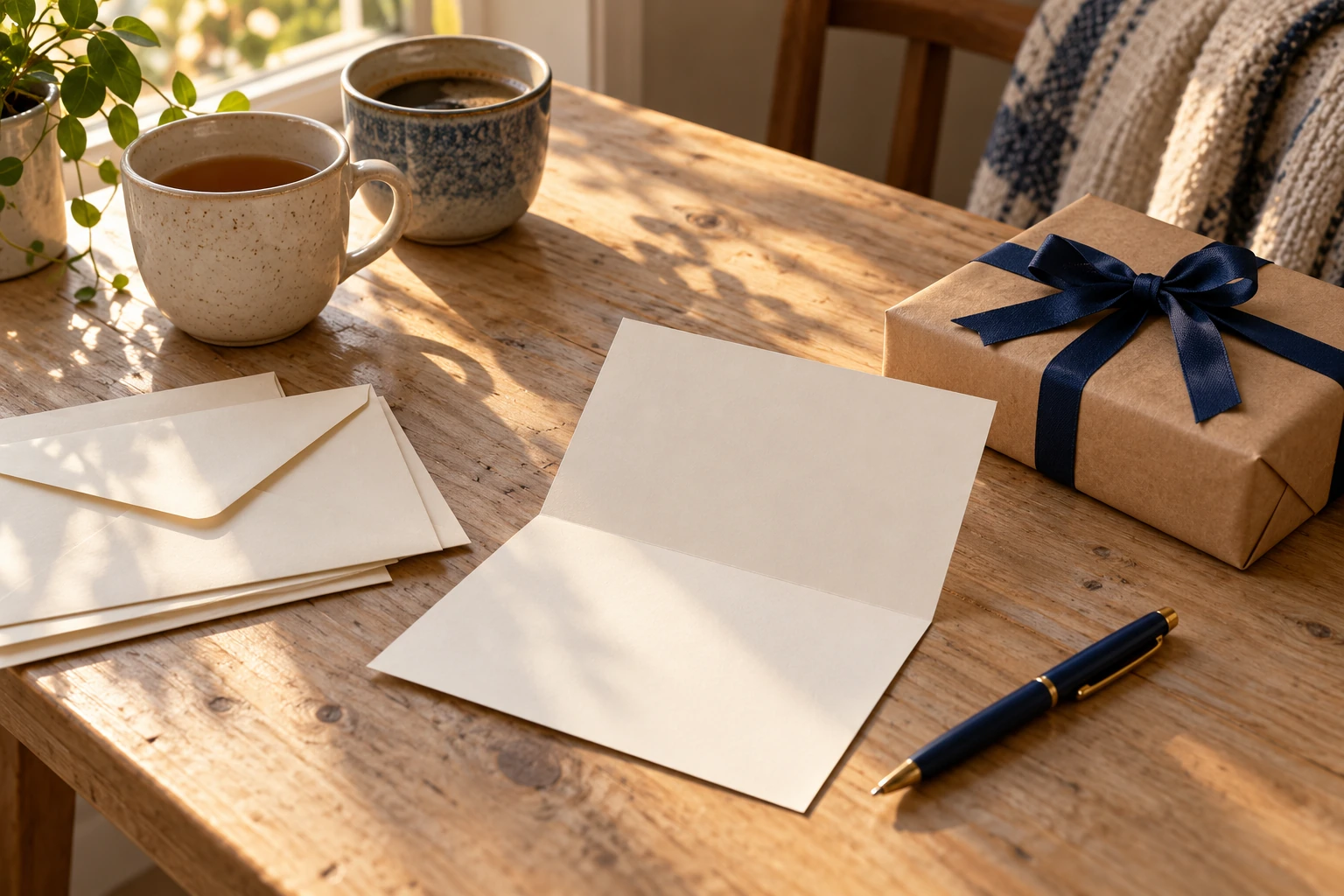
A handwritten page gives you space to tell a story you might not put into a quick message. You could describe one afternoon you still remember, or tell your friend about a small part of your week that never seems important enough to mention.
There is no need to make the letter look impressive. An ordinary envelope, legible writing and a few details from your actual life will do. Leave the page recognisably yours, including the sentence you crossed out.
If you cannot post a parcel easily, send the letter first. A gift can follow when it is practical. Waiting for everything to be ready can turn a small gesture into a project that never leaves the table.
Put a little time beside the present
A parcel arrives on one day. The friendship continues on all the others. If you want to add something useful, suggest a call at a time that works in both places, or choose a month when you will look at possible visits.
Keep the plan small enough to keep. A twenty-minute call next Sunday is a real thing; a large promise about seeing each other more often is harder to use.
Before you seal the envelope, add one question about your friend's current life. Give her somewhere to start when she writes back.
Back to the journal