There is a particular kind of impatience that arrives just after deciding to change something. You have made the decision, so you want the evidence immediately: a finished room, a new routine, an answer to the application.
The Wood phase in Five Elements can offer a different image to think with. In traditional Chinese correspondences, Wood is associated with spring and growth. Within Wuxing, the five phases describe relationships and changes, rather than five unchanging types of person.
The reflection here takes that image of growth into an ordinary beginning. It does not calculate your birth chart or tell you that you are a “Wood person.” You can explore the idea without turning it into a label.
Find the part that can begin now
A large intention often contains several smaller actions that do not all depend on each other. You may be waiting for a reply, but you can still prepare a question. You may not know where you will live next year, but you can decide what to keep from the cupboard you are sorting today.
Choose one action with a clear end. Send the email, clear a shelf, read the first chapter. Something finishable gives you a more useful starting point than a task called “sort out my future.”
Then stop long enough to see what it changed. The next action may become clearer after you have done the first one.
Give a new habit a place
“I want to make more time for this” is a wish. A place in the week is an arrangement you can try.
Keep the first arrangement modest. A short practice after breakfast, an hour on the same evening or a bag packed by the door can make it easier to return without deciding from the beginning every time.
Notice what gets in the way. If the time never works, change the time before concluding that you cannot keep the habit. A beginning needs conditions it can actually live in.
Leave room to change direction
Growth does not have to make a perfectly straight line. You may discover that a subject, a role or a plan interests you for different reasons once you have spent time with it.
Make a note of what you are learning. Is this a difficulty you want to work through, or information that the plan needs to change? It can help to ask someone who knows the situation rather than judge the whole thing from one difficult afternoon.
Using Wood as an image can make that question easier to hold. It remains an interpretation you can use or leave; the practical decisions belong to you.
Choose a marker that leaves the story open
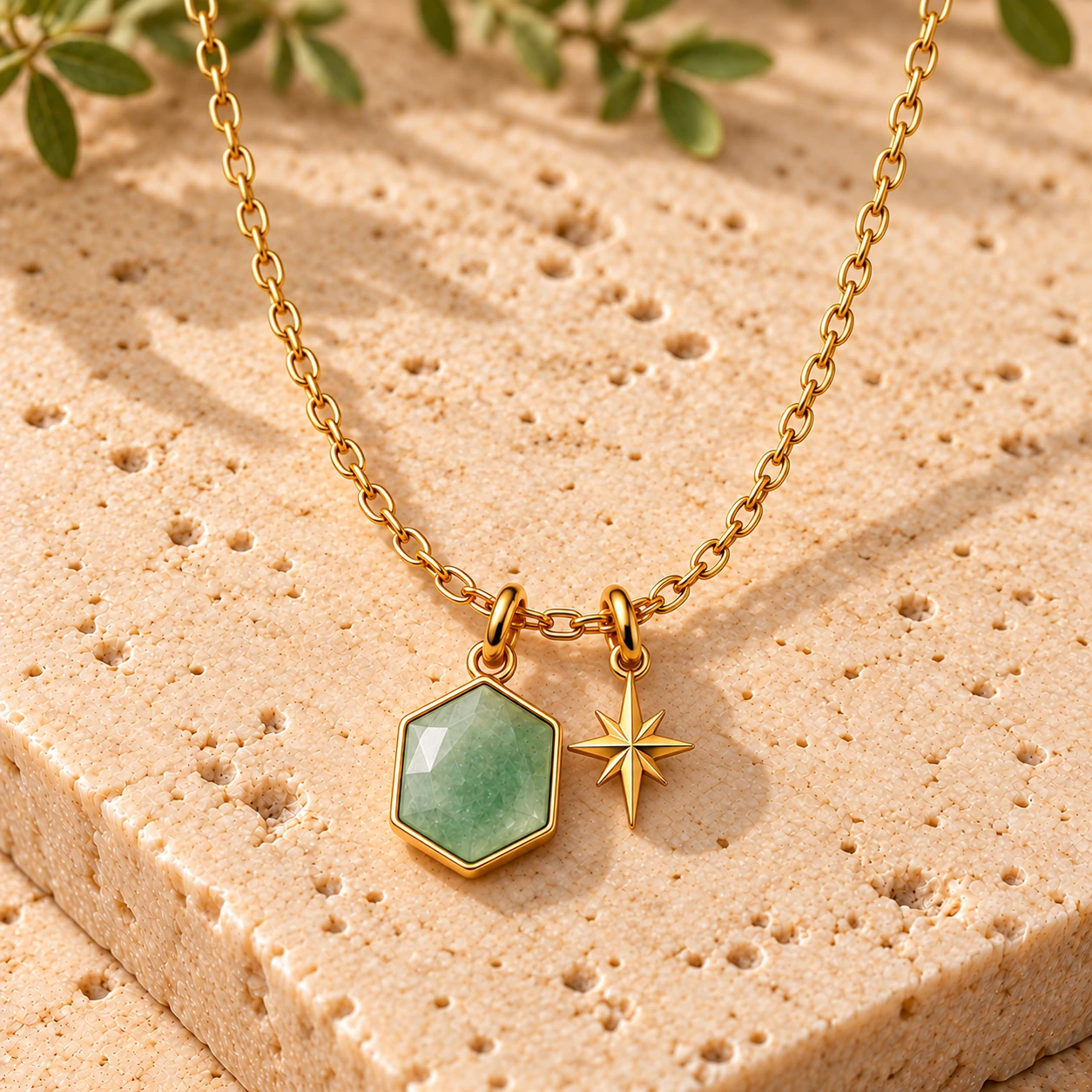
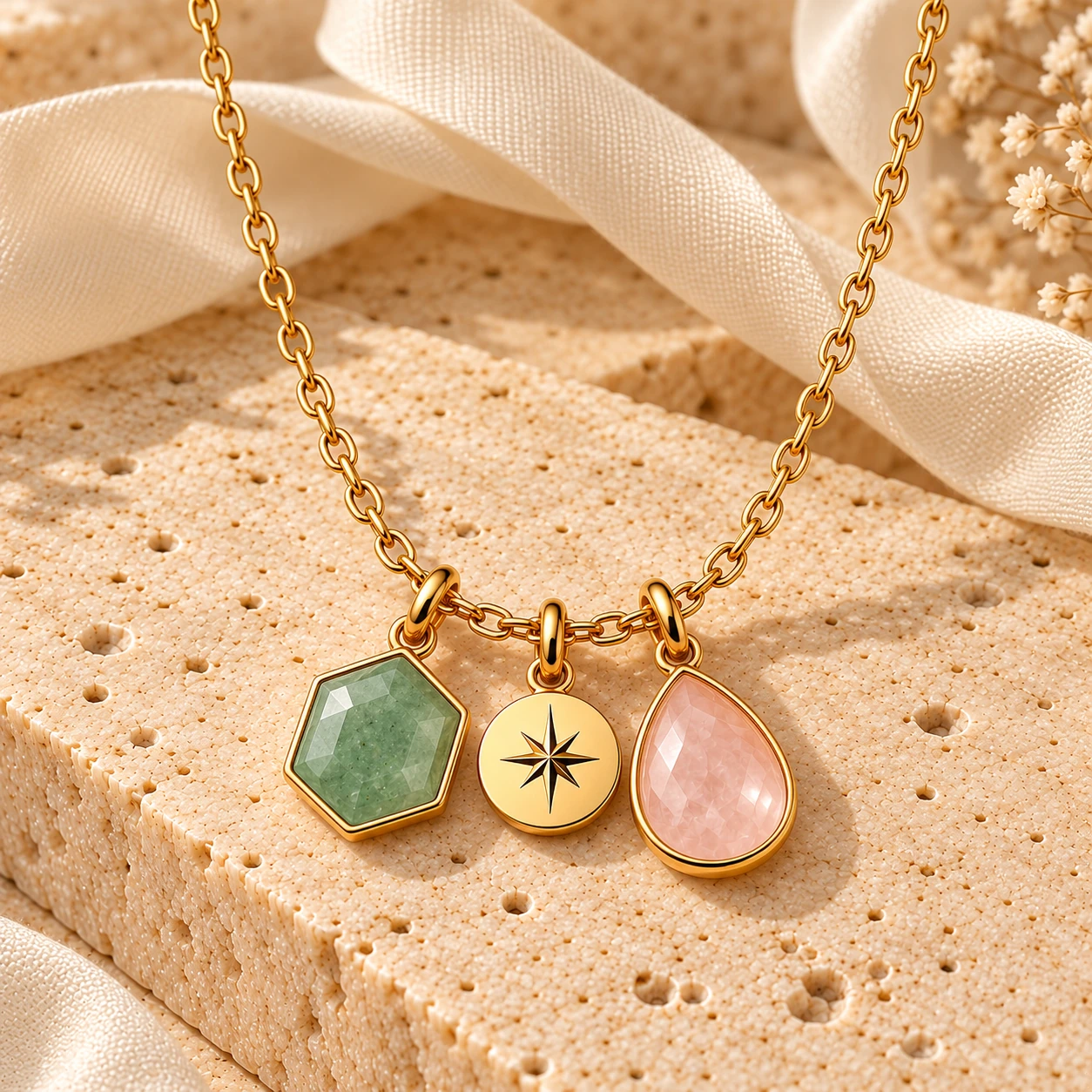
If you like marking a beginning with an object, choose something you can keep using as the plan develops. A notebook does not need its final contents on the first page. A green pendant can refer to growth without prescribing what that growth must look like.
For our Wood-inspired designs, green is a visual reference to that association. The jewellery is an expression of the idea, separate from a personal Five Elements calculation.
Write down the action you chose earlier and a time to try it. Leave the rest of the page free. It can hold the next step once you have something real to add.
Sources & background
Background for the gemstone facts, calendar dates or traditional symbolism discussed in this story.